When the Communities That Care Coalition (CTC) recently evolved to become the Healthy Youth Initiative (HYI), it expanded its focus to include mental health and other youth wellness issues while never taking its eye off preventing underage drug and alcohol use.
Entering the 2016-2017 school year, it is important for the community to understand where we stand on underage substance use on Mercer Island.
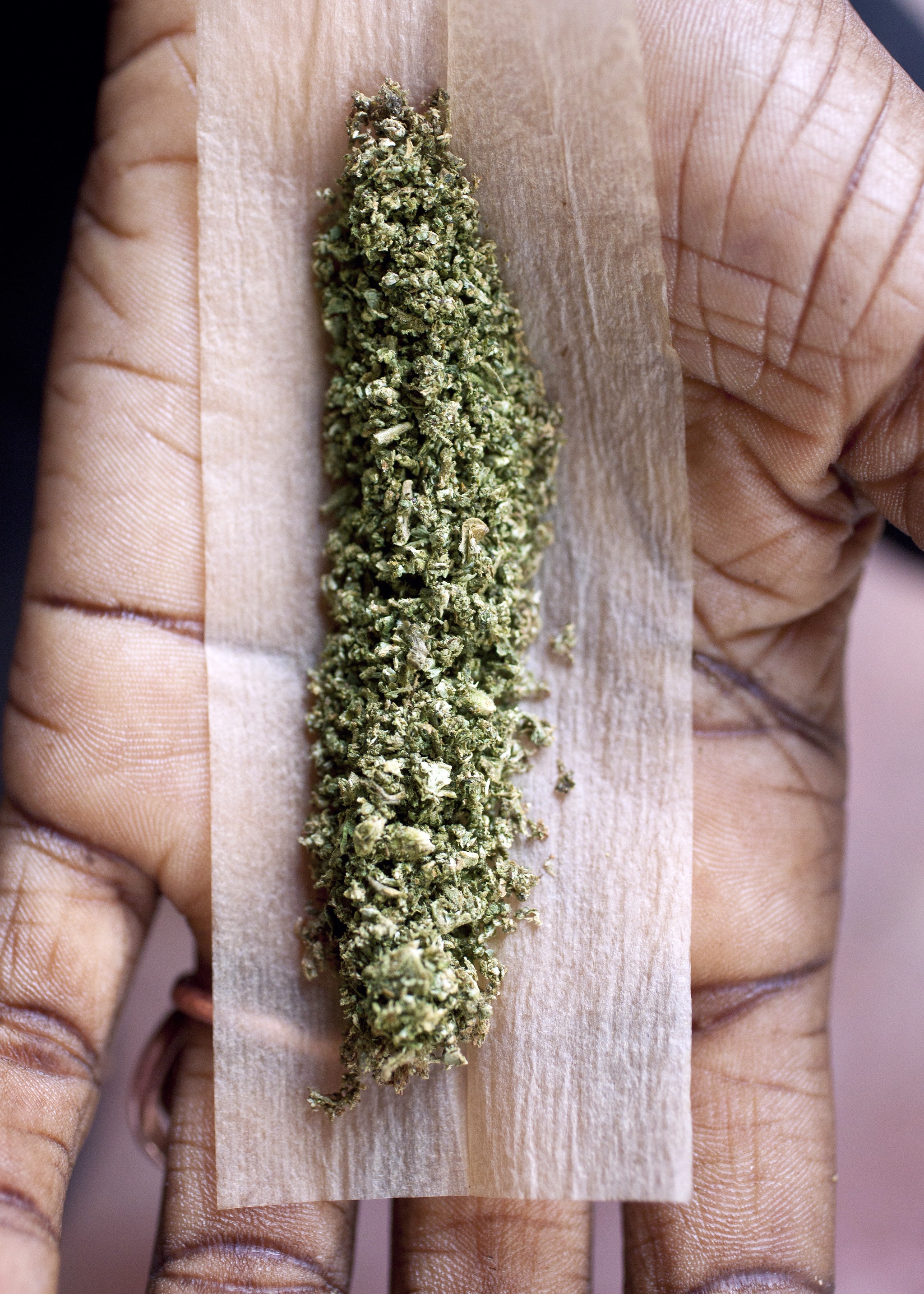
The CTC began in 2005 after the tragic loss of a young life related to in an alcohol-related incident. At that time, the 2006 Healthy Youth Survey found that 54 percent of Mercer Island High School 12th-graders drank alcohol in a typical month and 34 percent used marijuana or hashish. When a federal Drug Free Communities grant was awarded to CTC in 2007, initial goals were to reduce underage drinking and marijuana use by 5 percent — a decrease deemed realistic compared to similarly funded communities nationally.
Although it is difficult to quantify the specific influence of CTC, by 2012, past-month alcohol use by MIHS 12th graders was down to 40 percent and marijuana use had declined to 28 percent — surpassing original goals. These data are often challenged based on the presumption that youth lie on self-reported surveys. However, survey administrators take great lengths to weed-out falsified answers. In addition, survey results are compared year to year and statewide for consistency and always reported with the statistical margin of error — in short, the results are reliable and valid.
CTC strategies included social norms marketing campaigns to correct the misperception that everyone drinks on Mercer Island (most youth do not). A supportive City Council passed Washington’s first social host ordinance that increased parental accountability for unsupervised underage gatherings involving alcohol. MIHS youth established the S.A.F.E. prevention club and school administrators strengthened policy. The community achieved significant progress, but not enough — 40 percent of 12th graders still use alcohol, which sets a dangerous precedent for their younger peers and creates unnecessary risk of significant medical, legal, social and educational problems.
So what is the path forward? First, there are several key hurdles. HYI focus groups identified a culture on Mercer Island of loose family boundaries, a “work hard, play hard” attitude and a tendency to define success based on external achievement. These continue to stress youth and influence underage substance use rates.
Also, state policy changes that privatized spirits sales and commercialized marijuana are normalizing these substances and contributing to a sharp decline in youth’s perception that they are harmful. Periodically, other frightening drugs make their way into the hands of Island youth. These include prescription painkillers, ecstasy, and even, occasionally, heroin. The vast majority of Island youth do not use these substances, but it is important to stay alert to the signs and symptoms of use — the prescription opiate epidemic hitting Snohomish County and much of the country has yet to take hold among Island youth.
To overcome these challenges, the HYI coalition will continue to partner with parents, schools, PTA, police, the faith community and youth themselves to reduce availability, strengthen enforcement and support healthy community norms.
At the city’s Department of Youth and Family Services (YFS), substance abuse prevention is being integrated as a core service and will support HYI prevention efforts into the future. Mercer Island police continue to take providing any substance to minors as a very serious offense and the YFS counselors in the schools are all trained to provide classroom education and intervene when appropriate.
HYI social marketing messages will continue to adapt to emerging drug trends and industry advertising. Community speakers will offer education and awareness.
A comprehensive prevention “portfolio” and harnessing the power of the majority of Island youth who do not use substances are the two keys to success.
Parents looking for additional information can go to www.starttalkingnow.org or to www.askhys.net for more Mercer Island data.
Derek Franklin is the city of Mercer Island YFS program coordinator and HYI project director. Contact him at derek.franklin@mercergov.org or 206-275-7611.