Mercer Island cyclists turn back the clock to 1976
Published 6:30 pm Wednesday, August 12, 2026
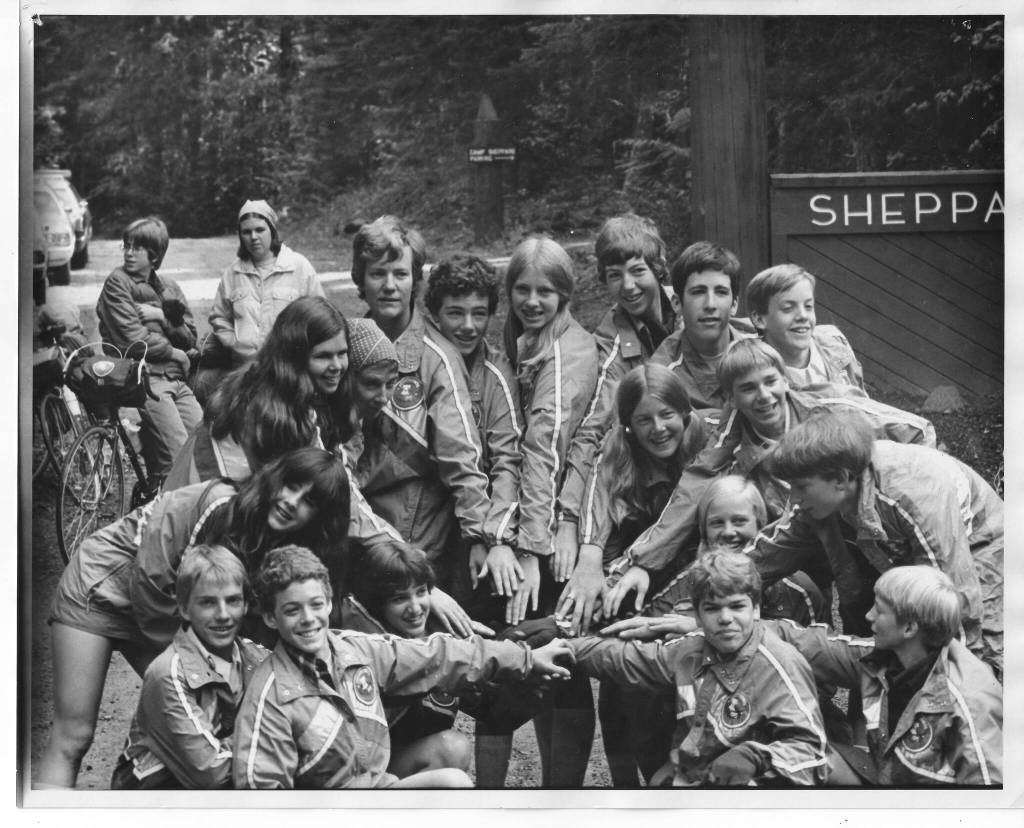
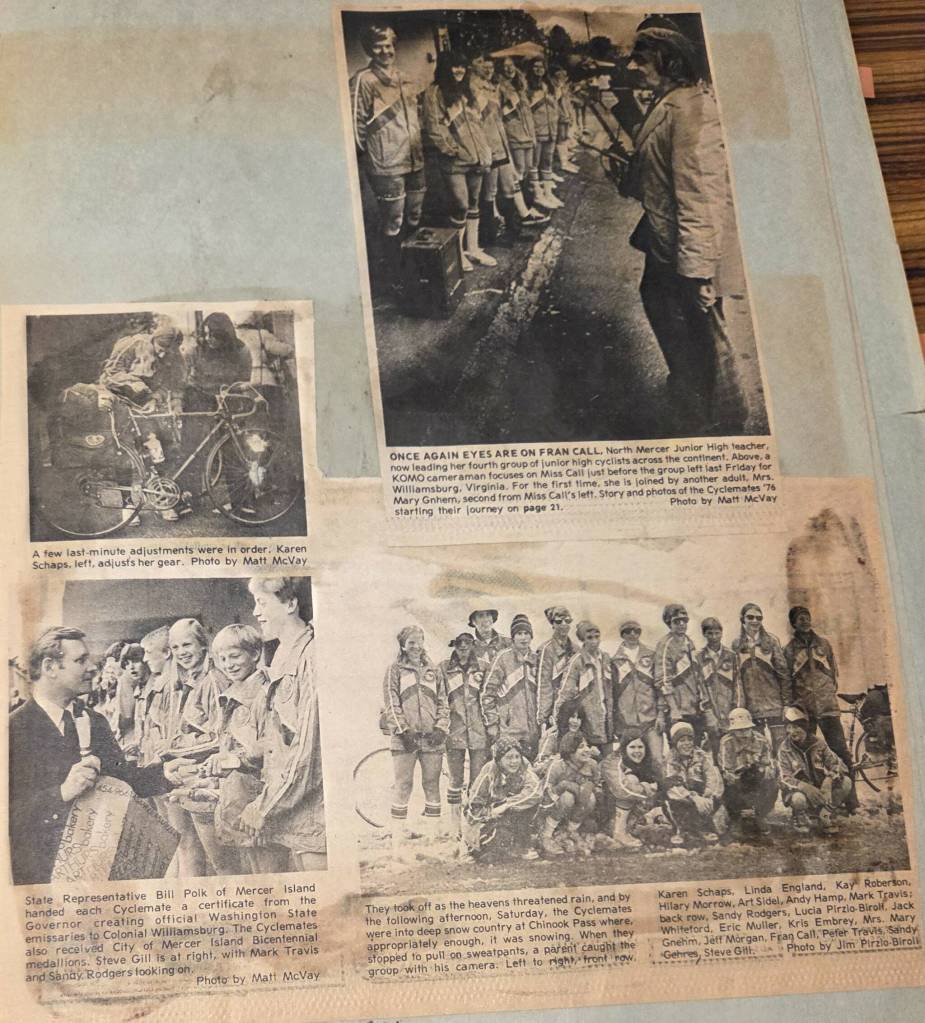
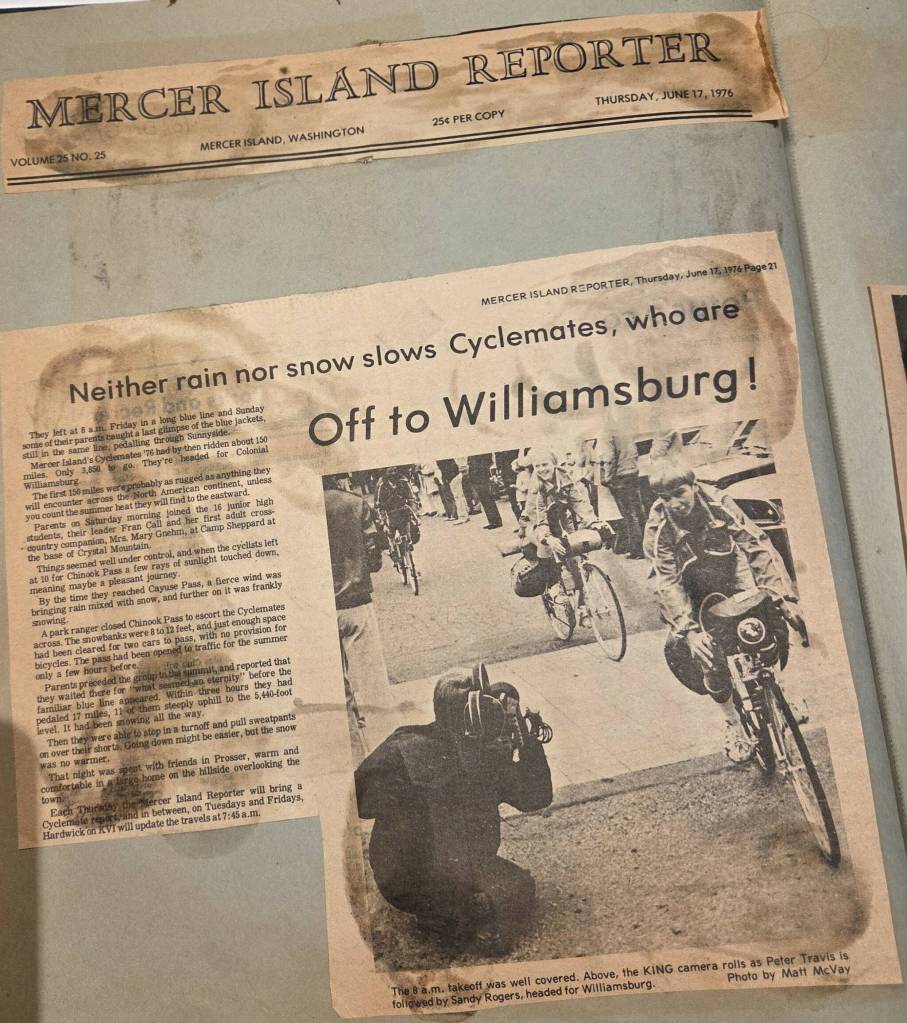

Fifty years ago during the United States bicentennial, a group of thrilled and ultra-fit Mercer Island teenagers and two adults hopped on their bicycles and traversed a path across the country.
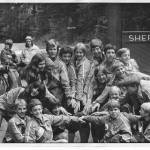
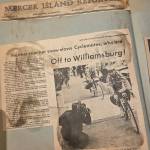
The Cyclemates IV crew — led by local teacher and cycling enthusiast Fran Call — traveled for two months and 3,940 miles and cruised into Williamsburg, Virginia, at about 3 p.m. on Aug. 10, 1976.
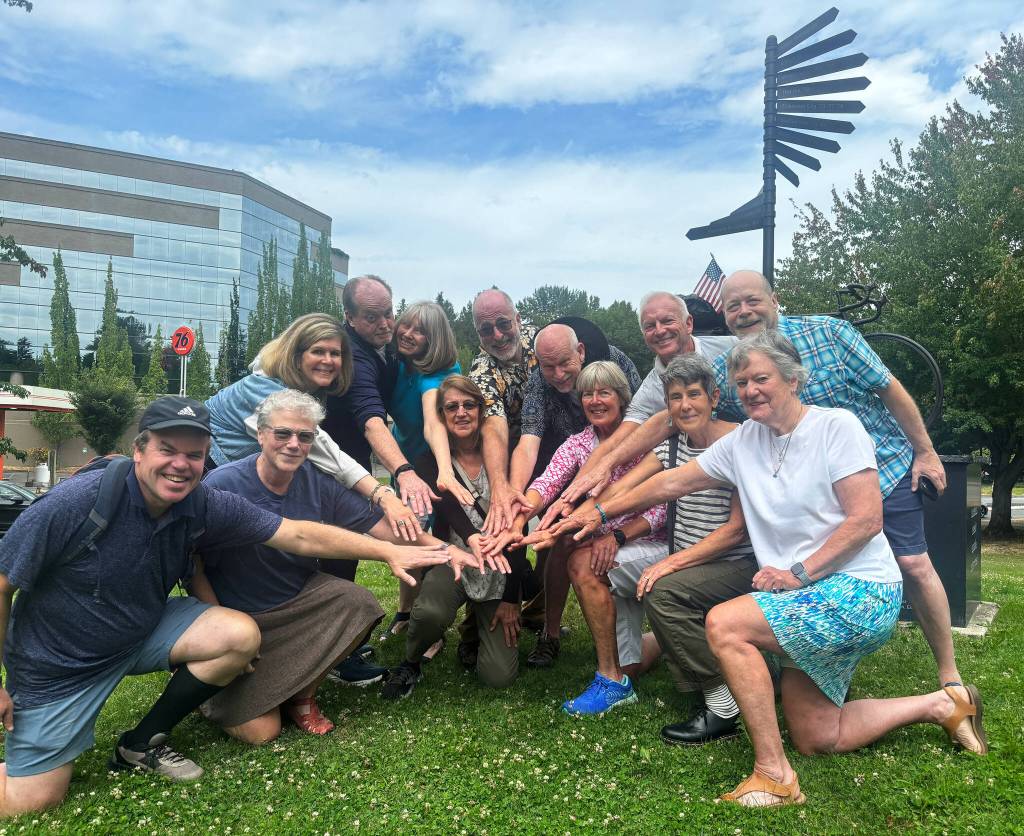
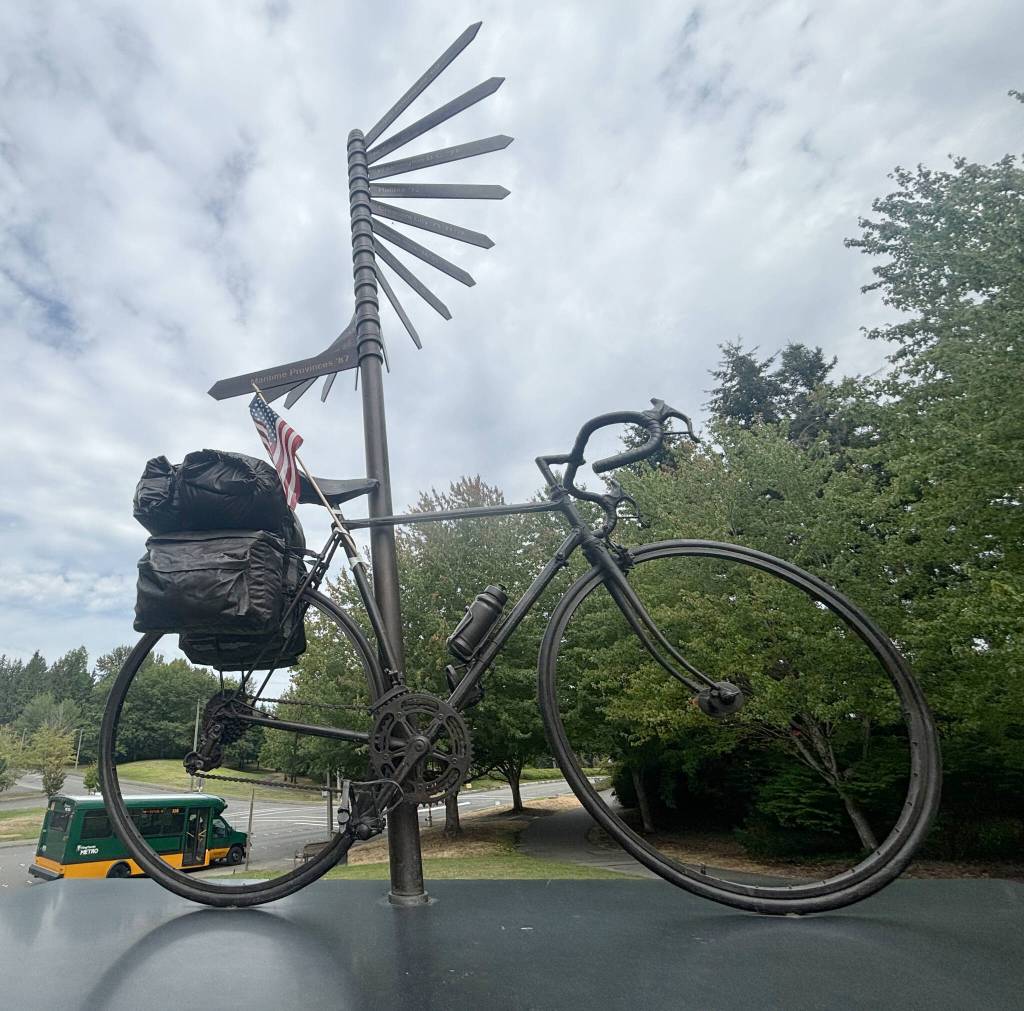
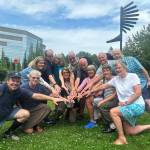
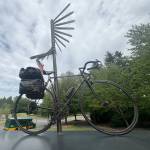
They made it safely to their destination and most of the riders gathered to relive that epic journey on Aug. 8 at Aljoya Mercer Island in Town Center, nearby the bronze statue of Call’s bike from that memorable, star-spangled trip.
As Call checked out the statue before the reunion, she praised the work of sculptor artists Robbi DeVries and Ed Kroupa and pointed out that it features the cross-country routes that her four Mercer Island Cyclemates teams conquered in 1970-72 and 1976. They all kicked things off on Mercer Island and reached their destinations of Washington, DC; New York City; Halifax, Nova Scotia, Canada; and, of course, Williamsburg.
When asked if the statue evokes memories of those mammoth cycling treks, she added, “Yeah, but I got lots of things to bring back memories. It’s nice. It’s a tribute to the kids, not to me.”
Nearby, some of the cyclists laughed, hugged and shook hands as the get-together began. At the three-hour event, 12 of the 16 cyclists were on hand to share memories and photos, have lunch, watch a slide show and listen to speakers.
A few minutes later, the cyclists and Call jumped upon or stood by the statue for a group photo to commemorate their accomplishment that has stuck with them after all these years.
One of the cyclists, Andy Hamp, smiled and chuckled as he showed off his red, white and blue Cyclemates IV windbreaker jacket that he sported for many of those grueling miles.
Joining Hamp and Call on the trip were North Mercer Junior High students Karen Schaps, Kay Roberson (James), Sandy Rodgers, Lucia Pirzio-Biroli, Sandi Gehres, Hilary Morrow (Kelly), Linda England (Angeline), Kris Embrey, Eric Muller, Peter Travis, Mark Travis, Jack Whiteford, Jeff Morgan, Art Sidel, Steve Gill and chaperone/cyclist Mary Gnehm.
During the trip, they rode an average of 85 miles per day (one day, they cycled 194.7 miles to break a previous Cyclemates one-day record), purchased food at grocery stores and cafes (their food budget was $4.25 per day) and camped out in the evenings (sometimes staying at churches or in residents’ backyards). They rode on flat terrain, over hills and through snow, heat and horrible headwinds in Kansas and more. On their loaded bikes, they carried 35 pounds of items, such as rolled up tents and sleeping bags, pads, handlebar bags with snacks, water bottles and more.
Aside from riding a ton of miles, “The kids had to be courteous, careful, capable and determined,” said Call, who led the four cross-country trips and 19 other long-distance adventures. “They were just ordinary kids, but really super-duper representatives of Mercer Island. The best memory would be returning the kids safely.”
If they got flat tires, broken chains or faced other cycle problems along the way, Call said they were well-trained to fix things up and get rolling again. There were no injuries that required hospital visits, she added.
Did Call have to persuade the kids’ parents for the teens to participate in the trips?
“No, the kids persuaded the parents quite easily, I think, especially after the first trip,” Call said. “But I think that parents were more concerned about my sanity than they were about safety. ‘What in the world was she doing? Keeping track of everybody?’ Because I was only 30 years old when I took the first trip, and a female all by myself with these kids, that was pretty unusual.”
Call’s father believed she could do anything, but her mother had some concerns. When the confident Call and the kids successfully completed their journey, they experienced total satisfaction.
“Nothing ventured, nothing gained. Kids can do extraordinary things if given the opportunity. And the opportunity is important,” said Call, adding that the cyclists’ bikes were shipped home afterward.
The weekend cycling trips that Call took her students on for fun to get some activity eventually turned into the cross-country jaunts. To prepare for the enormous trips, the kids trained hard by running, hiking, cycling, canoeing and walking around Lake Washington 55 miles in one day. They also took a first-aid course and earned half the trip’s cost through garage sales, yard work, babysitting and more.
Roberson James was elated that Call chose her to go on the trip and follow in the footsteps of her older brother who participated in a previous Cyclemates journey.
“I remember that I wrote in my letter (of interest) a lot about motivation and determination,” she said.
Looking back on that 1976 expedition, Roberson James added: “We learned a lot, just how to work as a team. Just how to be kind to other people because you had to cooperate with everybody. You had 16 people that were in a group (and) you really had to work things out. It really taught me that I can pretty much do anything — physically and mentally.”
Roberson James thinks about the experience every day as it made a profound effect on her life.
“If I want something and I’m determined enough, I can probably get it, after what I went through on that trip,” she said.
On the cycling outfit front, Hamp said riders didn’t wear helmets, and he recalls sporting a fishing hat, sunglasses, hunting gloves, cut-off jeans and tennis shoes.
Hamp said the trip was all about perseverance, teamwork and experiencing the amazing sights along with the tough parts of the ride, “and then realizing that you’re really lucky to be able to do it.”
He told a reporter who was covering the event in 1976, that “it’s good to step out of the norm and try new things. That’s the way you experience life at its finest.”
Fifty years later, Hamp said he’s carried the experience with him throughout his life.
“It was one of the most important things I probably did, and I did it when I was 15. I’m just really thankful that I did it,” he said.