Laying a good foundation – Kids from broken homes – sheltered in 1930s and `40s
Published 6:42 pm Monday, November 24, 2008
By Cody Ellerd
The next time you drive by Mercerwood Shore Club, roll down your window and listen. Imagine a dinner bell clanging, summoning 45 children in oxford and strap shoes up the grassy hill to a dining room resplendent in white tablecloths and carefully-placed dinnerware. Breathe in and smell the air. Imagine the doughy, comforting smell of frying pancakes carried on the wind up from a beachfront cookhouse on a breezy Saturday morning.
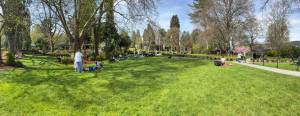
Before the tennis courts and swimming pool, before the World War II-era home for unwed mothers and the fire that burned it down, this was an 80-acre sanctuary where Seattle-area children from broken homes came to learn manners and build character befitting of Victorian angels.
This was the Children’s Educational Foundation, the “fairy tale land of woods, beautiful old-growth trees, endless waterfront, and lots of playmates” Barclay Stuart said he was raised in during the 1930s and ’40s.
Stuart’s grandmother, Mercer Island “pioneer woman” Mary Douglas, operated the co-ed home until her death in 1944. She invited 7-year-old Stuart and his mother under her wing after his parents divorced in 1938.
There is no record with the Mercer Island Historical Society of the home having existed. Mercerwood Shore Club General Manager Paul Von Destinon had eard of the destitute mothers once harbored on the property, but knew nothing of the children who found duty, responsibility and grace at the foundation.
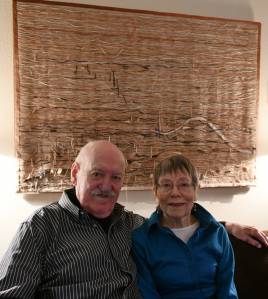
Stuart, a 73-year-old former teacher and Mercer Island resident, brought the memories of this gap in Island history alive last week when he shared his written memoir with former students from Mercer Island’s old East Seattle School at their 60-year reunion.
“There was something within me that motivated me to do this, and I thought that I had a good audience with my classmates,” Stuart said.
They had a common academic life at the East Seattle School, but Stuart said he and his fellow foundation children were always regarded as a little different.
Indeed, his old friends were moved by his story and the new understanding they gained of foundation life under the stern care of Mary Douglas. They encouraged him to make his memoir available to the public by submitting it to the Mercer Island Historical Society.
“We would very much like to get ahold of anything that has to do with the past of the Island,” said Historical Society co-President Phil Flash. Flash would like to eventually assemble a permanent showcase of Island history at a new community center being built by the Parks & Recreation Department.
Stuart recounts his grandmother’s appeal to the administrators of the Ackerson family estate to approve the proposal for her home. The wealthy family had decreed that any future use of the estate benefit children, he said. The social environment his grandmother created at the home was the product of a woman more courageous and independent than the typical female of her time, Stuart said.
“She was someone who liked to have a raison d’etre,” he said.
In his memoir, miraculously recalled boyhood details abound, and a picture of a unique place is vividly created.
While he is happy to share his story now, Stuart regrets that having lost touch with the other foundation children, he is not able to compare his impressions with them. He said he would like to ask them if their lives were substantially affected by their experiences there.
He would say to them, “This is a name out of the past. Do you remember your experiences as a child at the Children’s Educational Foundation? Do you remember Mrs. Douglas? Well I was Mrs. Douglas’s grandson. I’m Barclay Stuart and I’d love to talk to you.”