A legacy rooted in beauty and science: The Hakomori home and garden, 50 years later
Published 2:30 pm Tuesday, September 16, 2025




By Diane Tien
Special to the Reporter
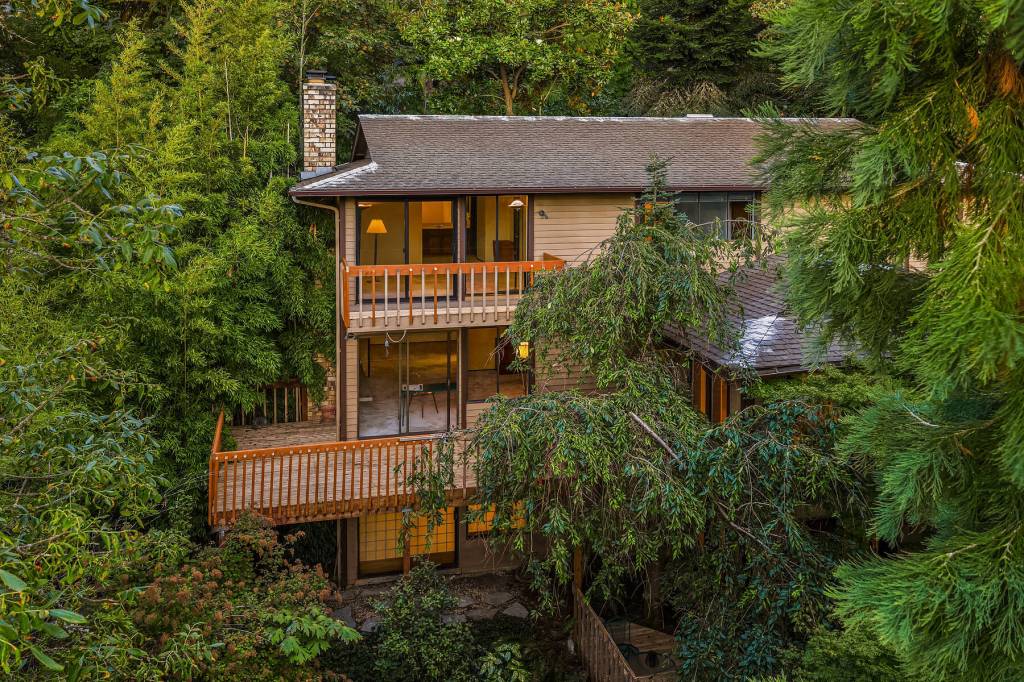
Hidden behind a veil of mature bamboo in the Mercer Beach Park neighborhood lies a home and garden with a story that speaks not only to architecture and artistry — but to legacy, cultural preservation and quiet brilliance.
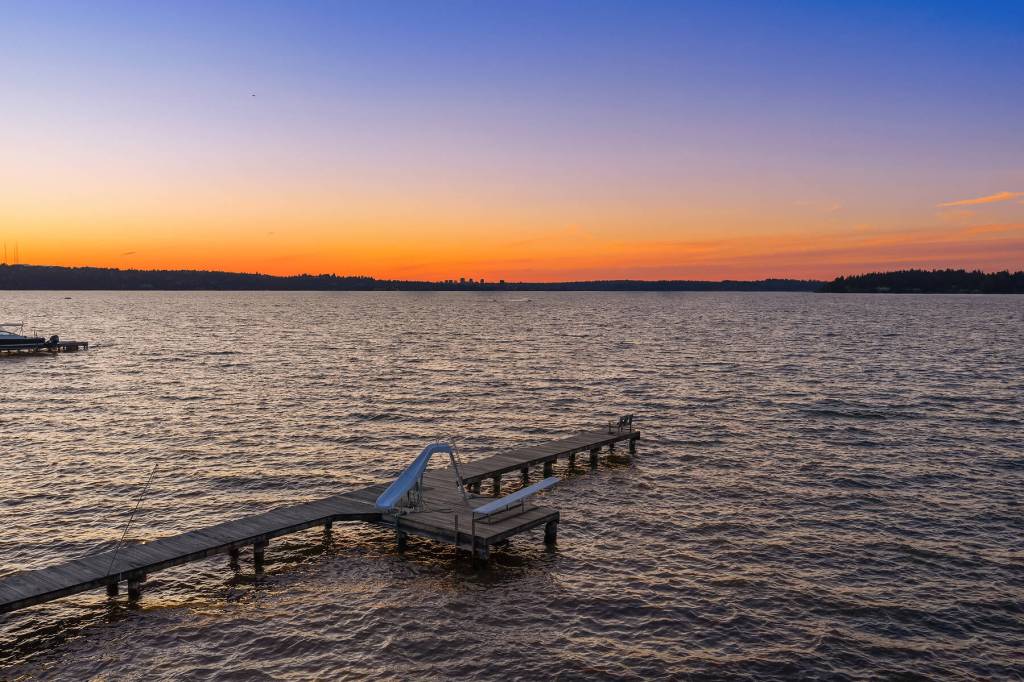
Tucked on a gentle slope just 856 feet from Lake Washington’s shared dock and beach, this south-end Mercer Island property at 2024 80th St. SE belongs to one of the area’s most serene and sought-after enclaves: Mercer Beach Park, where water access, walkability and privacy blend seamlessly.
In the early 1970s, Dr. Sen-itiroh Hakomori, a pioneering biochemist, and his wife Mitsuko, a master of Ikebana, the Japanese art of floral design, stood with their three children on this quiet parcel of land. They saw not just property — but possibility.
And what they created became one of Mercer Island’s hidden cultural landmarks: a home and garden intentionally designed in the Japanese tradition, where every element — from bamboo groves to bathing rituals — was shaped with care and deep aesthetic vision.
A Life of Science and Serenity
Dr. Hakomori, one of the founding scientists at Fred Hutchinson Cancer Center, was a brilliant mind whose research shaped the field of cancer biology. He was nominated five times for the Nobel Prize in biochemistry, but beyond his professional impact, he and Mitsuko were building a deeply personal legacy right here in Mercer Beach Park.
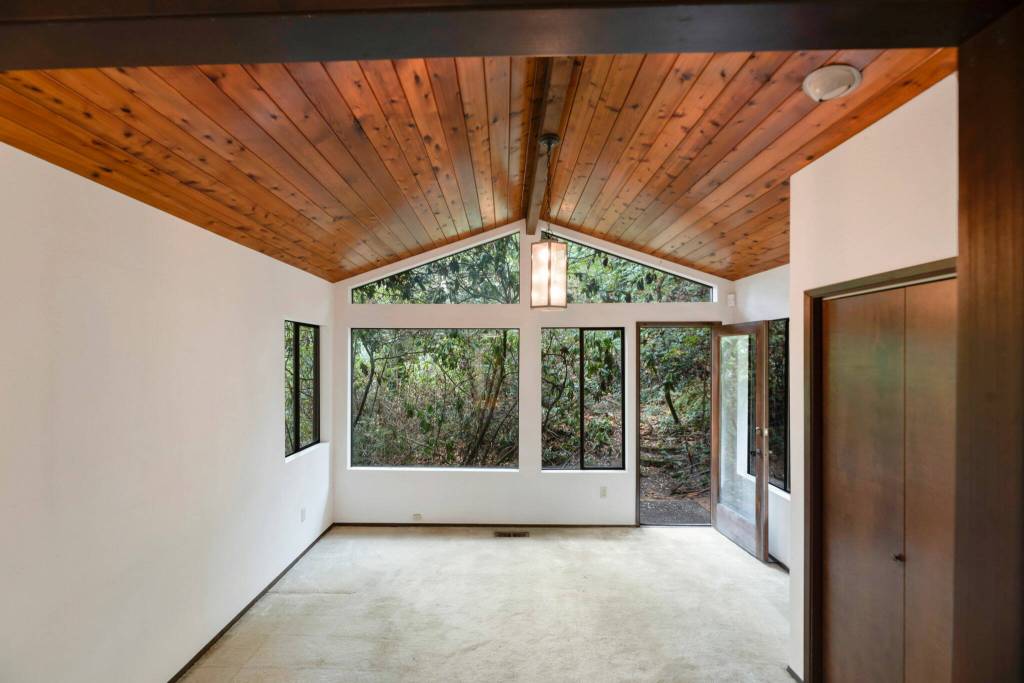
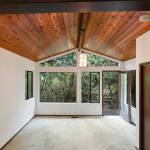
His private office, nestled into the landscape and extending into a grove of clumping bamboo, opened to a small deck where he envisioned a private soaking tub — a place of solitude and contemplation.
They also added a traditional Japanese steam bath within the home — where one would rinse in a shower, then soak and steam while looking out a window perfectly framing a magnolia tree and surrounding evergreens. These quiet rituals echoed centuries-old Japanese practices, integrated into the Pacific Northwest.
The Garden as Cultural Expression
With the help of landscape designer Kiyoshi Inoshita and esteemed builder Fred Burnstead Sr., the Hakomoris designed their home and landscape as one interconnected vision.
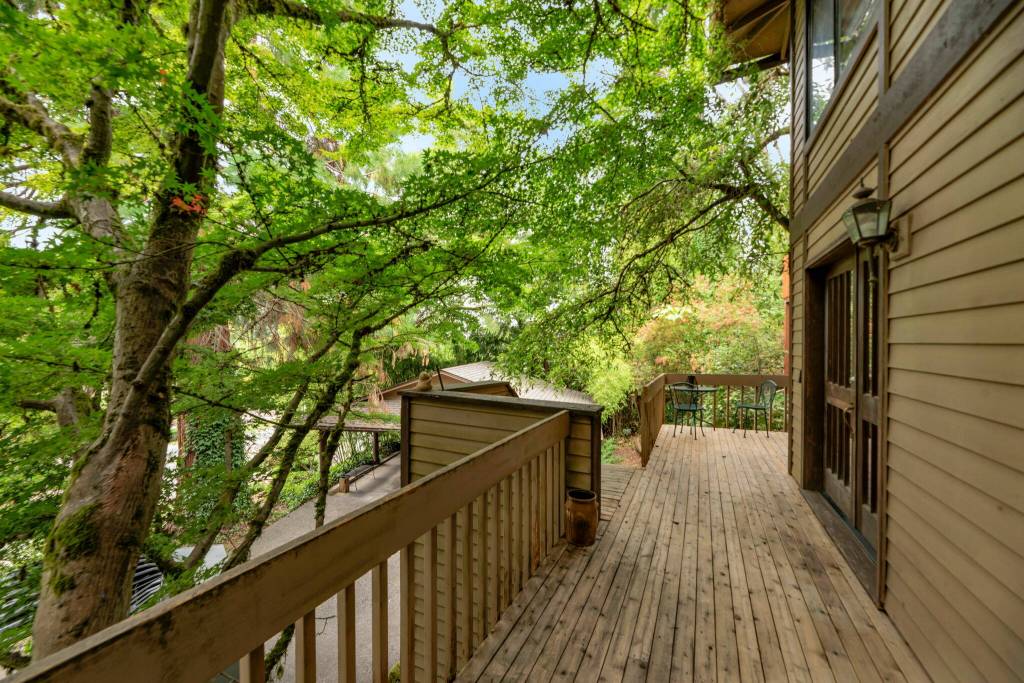
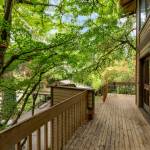
Outside their bedroom, a rising waterfall cherry tree bloomed each spring, flooding the deck with blossoms. To the west, delicate Japanese maples offered rich autumn color and collected snow like lacework in winter.
This was more than landscaping — it was living poetry. Mitsuko welcomed her Ikebana students to the home to select seasonal branches and flowers from the yard for their arrangements, bringing the landscape indoors as fleeting works of floral art.
Preserving a Mercer Island Legacy
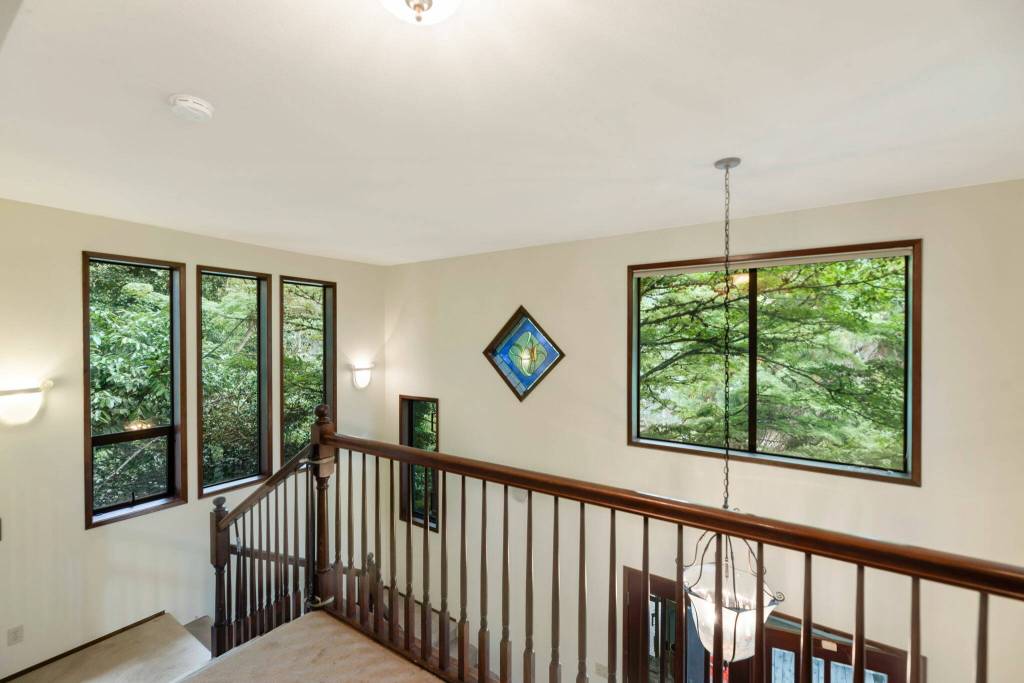
Today, the home remains largely in its original condition and is being offered for sale “as is.” It presents a rare opportunity to honor the past while imagining the future — especially for those who appreciate the enduring value of Mercer Beach Park, where walkability to the lake, peaceful privacy and architectural integrity are rarely found in one place.
This isn’t just a home — it’s a chapter in our island’s quiet cultural story. The Hakomoris built with care, respect for tradition and enduring beauty. It’s worth celebrating — and continuing.
Consider stopping by at one of the open houses on the weekends while it is up for sale.
——————————————
Diane Tien is a realtor and president-elect of the Rotary Club of Mercer Island and board member of the Mercer Island Rowing Club.