Rising ninth-grader Barneson recognized by New York Times
Published 10:30 am Friday, August 8, 2025


Special to the Reporter
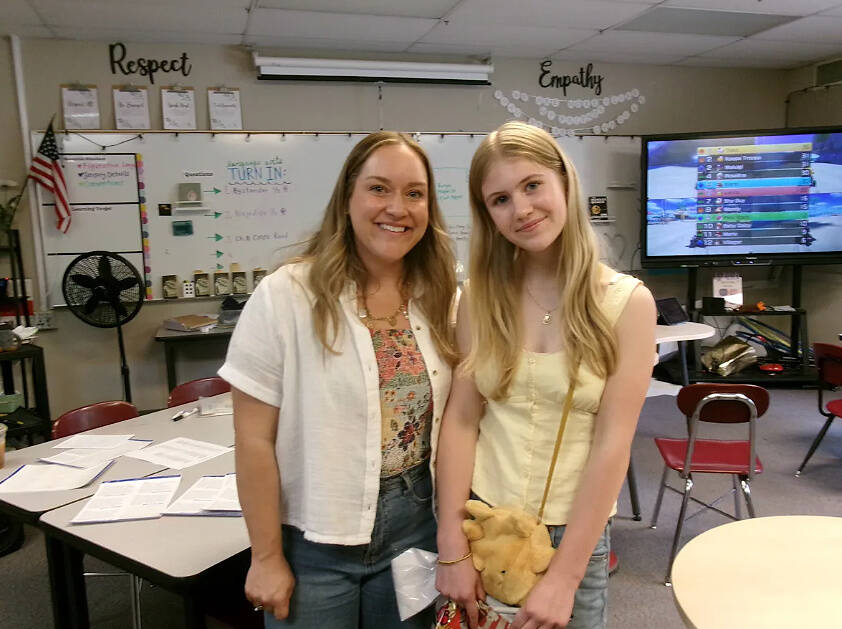
In the spring, Mercer Island rising ninth-grader Shannon Barneson was recognized by the New York Times with an Honorable Mention Award in the newspaper’s second annual “How-To Writing Contest” for her submission “How to Avoid Being Called on by the Teacher.”
The contest invites eighth- through 12th-grade students to choose any skill, interview an expert on it, and then write a maximum 400-word essay explaining to a general audience how to do the skill.
There were more than 3,000 entries to the contest and the Times selected 49, including Barneson’s, to be recognized. There were nine winners, 16 runner-ups and 24 honorable mentions.
All eighth-grade students at Islander Middle School wrote a “How To” essay last year as the eighth-grade language arts team incorporated the contest into their curriculum. After completing their essay, the students decided if they would submit their essay to the contest.
“I wanted to create a how-to that was both funny and relatable to all kinds of students,” said Barneson.
“Although some people enjoy raising their hand, there are many introverts who can benefit from these strategies. Some of the methods I wrote about were based on my experience with this topic. For example, I drink lots of water or grab a snack from my backpack to avoid being called on more than I probably should,” explained Barneson.
‘How to Avoid Being Called on by the Teacher’
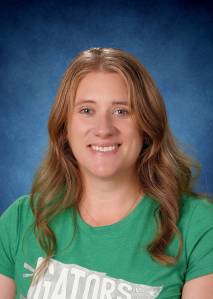
“As a student, I was a bit nervous about raising my hand. I would try every once in a while, but then I would stress about the answer I gave,” says Whitney Swope, an eighth-grade Islander Middle School English teacher, who has been working in classrooms for 14 years. When teachers such as Swope are scouring the room for someone to call on, are you eagerly raising your hand or do you slump down into your seat? Although some teachers resort to “cold calling” or randomly selecting students, there are a few important strategies to keep in mind. Even the little details such as where you sit to how long you hold eye contact can contribute to being chosen.
The first step is to appear extra busy while your teacher is carefully selecting their next victim. Focus on your classwork, tying your shoelaces, drinking water, or suddenly become very hungry. Swope says that she: “…would try not to call on a student who had a mouth full of food.” After all, that would go against everything we’re taught about table manners.
The second thing to consider is communicating with your teacher beforehand. “If a student came up to me and let me know that it causes them stress to be called on without warning, I wouldn’t call them out unexpectedly. We could come up with a plan for them to have advanced warning or a different way of contributing,” she said. Some ways to show participation include staying on task and showing your hard work through assignments or tests.
Even if you don’t want to share out in class, it’s crucial to speak at least once or twice a week. In Swope’s experience, she “looks for raised hands, but some students raise their hands every time. I want to hear from a variety of people.” If your teacher asks a question you feel confident in answering, raise your hand, there’s no harm in doing so.
Introverts are an important part of every classroom community. “They tend to think deeply before they share their thoughts, and tend to be creative and detail oriented. Part of my job as an English teacher is to teach my students the skills of speaking and listening. Introverts are excellent listeners, and I hope to help them build their confidence to speak in front of others in a respectful community. You have great ideas, and they deserve to be heard,” she said.
“I came up with this idea with my Spanish class in mind, as my teacher is randomly calling on students almost every day,” said Barneson.
“Additionally, I noticed that my teacher always calls on certain people. I wanted to get a better understanding of why and how to avoid that from happening to me. As for the ending of my how-to, I wanted to address how introverts are still important regardless of not sharing out. I often find as an introvert that I can still be observant and thoughtful without raising my hand in class. Sometimes teachers don’t understand that a student who avoids being called on, has reasons other than not paying attention. I hope that this how-to will make students feel heard without the need to speak in front of the class,” continued Barneson.