Conversations continue about protecting Mercer Island youth
Published 9:15 am Thursday, December 11, 2025
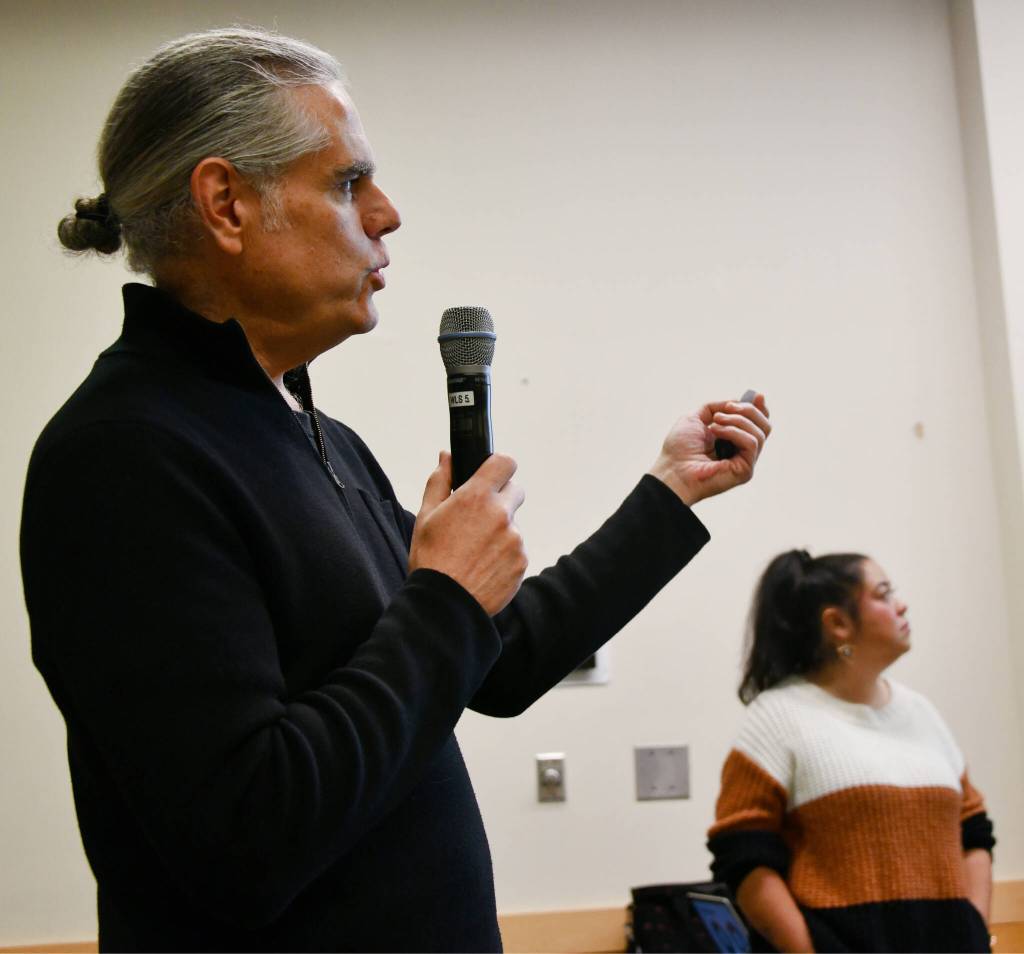
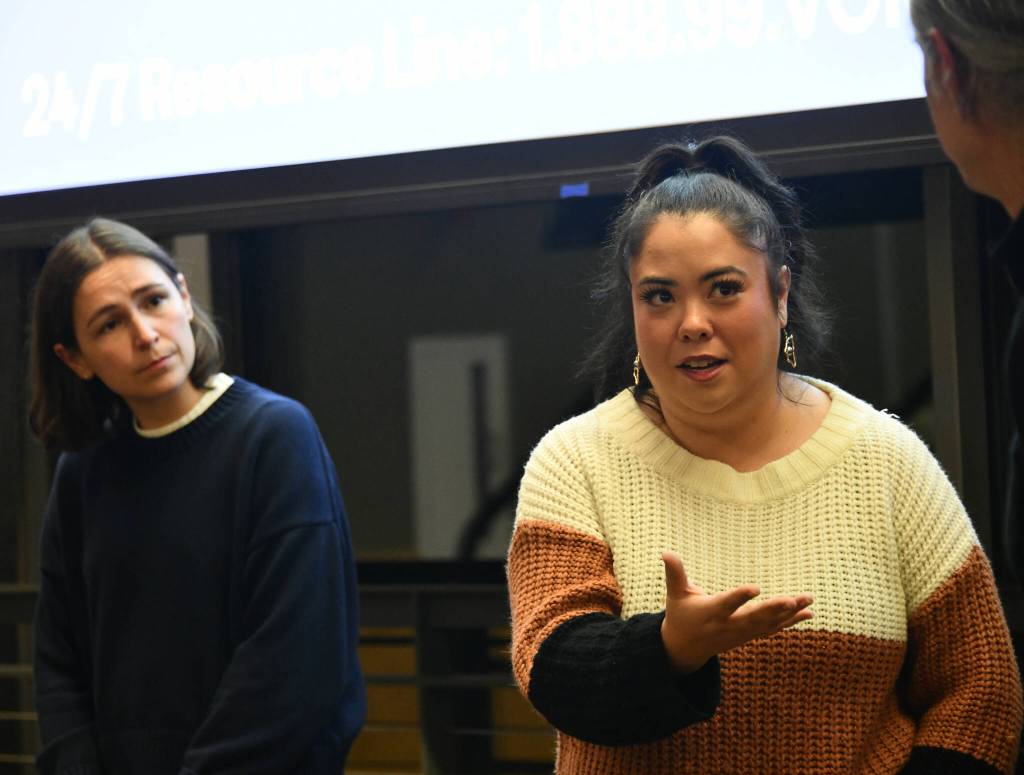


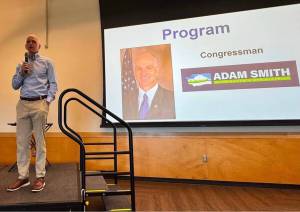
Stemming from news reports of the alleged sexual misconduct by a pair of former teachers at Mercer Island High School (MIHS), members of the King County Sexual Assault Resource Center (KCSARC) prevention services team visited the Island and presented its “Moving Beyond Stranger Danger: Personal Safety Conversations for Today’s Youth” program on Dec. 8.
Mercer Island’s Youth and Family Services (YFS) department linked up with KCSARC and MI Parent Edge to present the 90-minute program for parents and caregivers of K-12 children at the Mercer Island Community and Event Center.
KCSARC’s goal is to begin an ongoing conversation with Mercer Island parents and adults regarding safety and prevention, according to a previous Reporter article that also noted that some of the nonprofit’s members recently met with MIHS staffers. YFS approached the resource center — which has been providing training and consultation to the YFS staff since August — to participate in the meeting.
KCSARC specialists Jessica Cowles and Hannah Pepin and Director of Prevention and Education Services Chris Johnson stood at the front of the room to administer the Dec. 8 program that featured a robust list of topics, including KCSARC’s services and client demographics, statistics of abuse, grooming for child sexual abuse, personal safety basics, lessons from the classroom, handling a disclosure of abuse, resources and more.
Johnson gave a few reminders to those in attendance: not knowing about some of the presented content is normal, communication is key, you are not alone if/when a situation arises and to take care of yourself, too.
On the communication element, he further explained that on the topics of consent, sexual misconduct and grooming, “We know that communication is always going to be key. When you see something, say something. I know that is something that Mercer Island has been promoting. That’s a big piece of it. If you have information, don’t sit on it. Share it with others. Talk it over, but reach out to get questions.”
When it comes to statistics, Johnson said that victims’ average age is 16, and are 82% female, while defendants’ average age is 39 and are 95% male. He added that one in four girls, one in six boys and one in three trans/nonbinary youth are sexually abused before age 18.
“When I sit in a room, even a room this size, I know that there’s a very good chance that there’s a lot of experiences in this room, including the experience of being a survivor. So, I encourage you all to take care of yourself tonight. Use the supports you normally use. If you need help or assistance, if you don’t have someone to connect with, please reach out to us and connect with us,” Johnson said.
Following a video in which kids eyed the camera and urged parents to “make talking about feelings part of every day,” “listen and tell me that you love me,” “give us a voice” and more, Pepin delved into two sets of personal safety basics. The fundamentals for kids include: not to accept a ride from someone they don’t know; to trust their inner voice; OK, not OK, and confusing touches; and the touching rule applies to strangers and people we know.
“This is probably a normal part of a lot of the conversations you’re having with kids in your life. It’s probably familiar to you in a lot of ways. It’s just an important part of how we’re thinking about prevention going forward,” said Pepin, noting that it’s OK to start having these conversations, even with high-schoolers, if parents haven’t been doing so. It’s an ongoing conversation and parents should keep checking in with children about how they’re doing, she added.
Later in the program, Pepin introduced the BASER acronym where kids can support their friends by believing, affirming, supporting, empowering and referring them to resources.
One of the topics that Cowles discussed was kids’ well-being online. She spotlighted awareness of bi-directional access, modeling healthy boundaries with devices, screen time moderation and public posting of photos and videos. She encourages parents to engage in conversations about online presence before giving them technology.
“Something to be aware of is that when you post things on the internet, people have access to those things. Sometimes people that you don’t think have access to those things, including pictures of your children and other young people in your life,” she said. “With AI, you can take the likeness of anybody and create anything. Even a very innocent school photo can be turned into an AI-generated nude or naked image that can then be posted anywhere without anybody else’s control.”
Parent feedback
Mercer Island parents Michele Agosti and Lesley Malakoti attended the program because they feel the topics should be crucial elements of discussions.
Agosti, who has a daughter in middle school, said: “This can happen, and it can happen anywhere — sexual abuse or misconduct with our kids. It can be in your own family, it can be at schools, it can be friends, parents, it can be neighbors. I just wanted to get a little more information so that I made sure that I was talking to my kid and getting her prepared as much as she can to be OK on her own.”
Malakoti, who has daughters in first grade and seventh grade, noted: “I didn’t necessarily realize I should be talking to my, especially my older daughter, about online safety and things that just were not an issue when I was in middle school, so I felt like I really got a lot of resources for that.”
Mercer Island School District Superintendent Fred Rundle attended the program and thanked Johnson for working with the district’s Student Safety and Wellbeing Committee, the district staff and Rundle over the recent months. YFS Administrator Derek Franklin and Rundle are also grateful for YFS and its mental health counselors, the University of Washington and other partners who stepped in when the alleged sexual misconduct news broke about the Mercer Island High School teachers.
Franklin told the crowd that it’s important to promote and discuss healthy relationships, boundaries, consent and how parents approach talking about these matters with their kids.
“I’d like to say a humble and profound recognition for the strength and resilience of every survivor of sexual assault whose voices make presentations like tonight’s possible. Many of their wishes are for prevention efforts like this to increase the chances that sexual assault happens to nobody else,” Franklin added.
A day following the presentation, Johnson discussed what he feels are the next steps for MIHS and the school district: “MIHS appears to be on the right track in addressing the recent sexual misconduct concerns. They are taking immediate steps to respond in the short term while also laying the foundation for long-term, systemic cultural change. As the Student Safety and Wellbeing Committee continues its work, it will be essential for the district to actively listen to those voices and implement the recommendations put forward by the committee.“