‘Behind the Barbed Wire’: A program on Japanese incarceration
Published 3:30 pm Tuesday, February 17, 2026

By James Young
Special to the Reporter
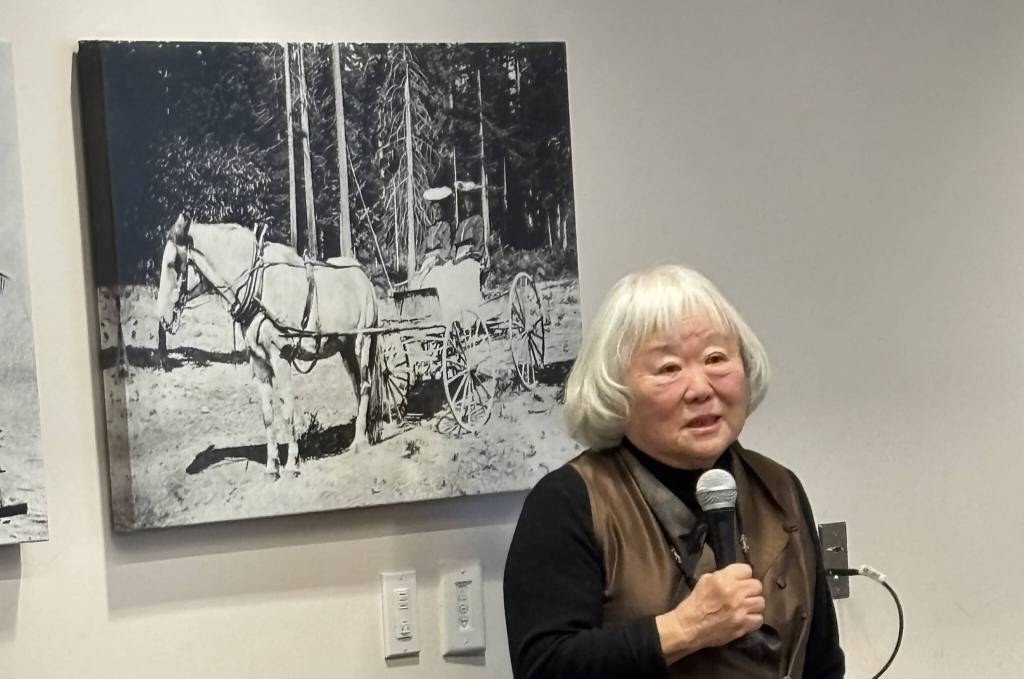
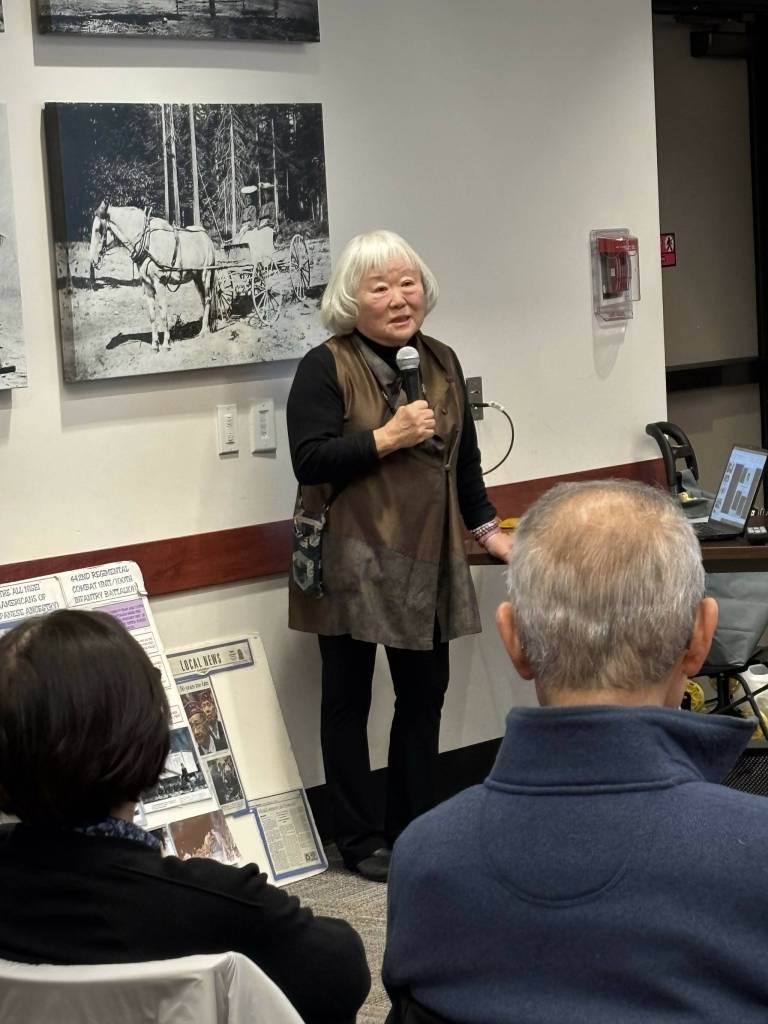
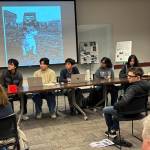
Judy Kusakabe has spent more than 20 years telling the story of her and her family’s incarceration at Minidoka. On Jan. 24, she returned to the Mercer Island Library for the second time to graciously share this painful and vulnerable experience with Mercer Island community members.
From 1942-1945, approximately 120,000 Japanese Americans on the West Coast were forcibly removed from their homes and sent to prison camps in response to the bombing of Pearl Harbor by Japan. Those incarcerated in the Seattle-Tacoma area were first processed in the Puyallup assembly center (also known as Camp Harmony) before being moved to the Minidoka War Relocation center in Idaho.
According to the Mercer Island Historical Society and a previous Mercer Island Reporter story, Kusakabe’s mother was pregnant with Judy while incarcerated during World War II. As a baby, Kusakabe’s family lived in a tiny barrack under the ferris wheel; but they were some of the lucky ones — others had to live in the filthy and smelly horse stalls. Soon, her family was sent to Camp Minidoka in Idaho, and they eventually came back to Seattle in 1945 to rebuild the community.
She began the event by sharing the experiences of her Japanese American friends and family before, during and after they were incarcerated — stories of trauma, survival and resistance.
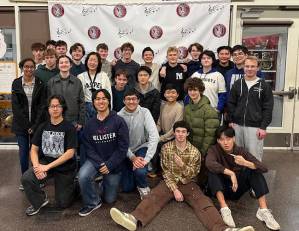
To the members of our Mercer Island High School club, Education Coalition for Asian American Representation (ECAAR), this story resonated deeply. It’s one that many of us have heard before (or twice, for some) because of Kusakabe’s annual engagements with the Mercer Island School District schools. Each time, though, her telling of the story is just as powerful, and we take away something new.
During the second half of the event, ECAAR facilitated a productive back-and-forth dialogue with Kusakabe. She expanded on the parts of her experience that resonated with us as high schoolers, and also gave us an opportunity to situate her story in a modern day context. We learned about not only the culture of silence in the aftermath of incarceration, but also the political efforts decades later that led to the passing of the Civil Liberties act of 1988, which issued a formal apology and reparations for harm caused to Japanese-Americans.
The program — “Behind the Barbed Wire: The Incarceration of Japanese Americans” — was in collaboration with the Mercer Island Library, the Mercer Island Historical Society and ECAAR.
ECAAR hopes to continue to work with Kusakabe, the Mercer Island Library and the Mercer Island Historical Society to educate the community. Check out more of ECAAR’s work at the annual ECAAR night market from 4-8 p.m. on Feb. 28 at Mercer Island High School. There, you’ll find vendors, activities and performers that uplift the Asian American and Pacific Islander (AAPI) community.
James Young represents Mercer Island High School’s Education Coalition for Asian American Representation (ECAAR).